
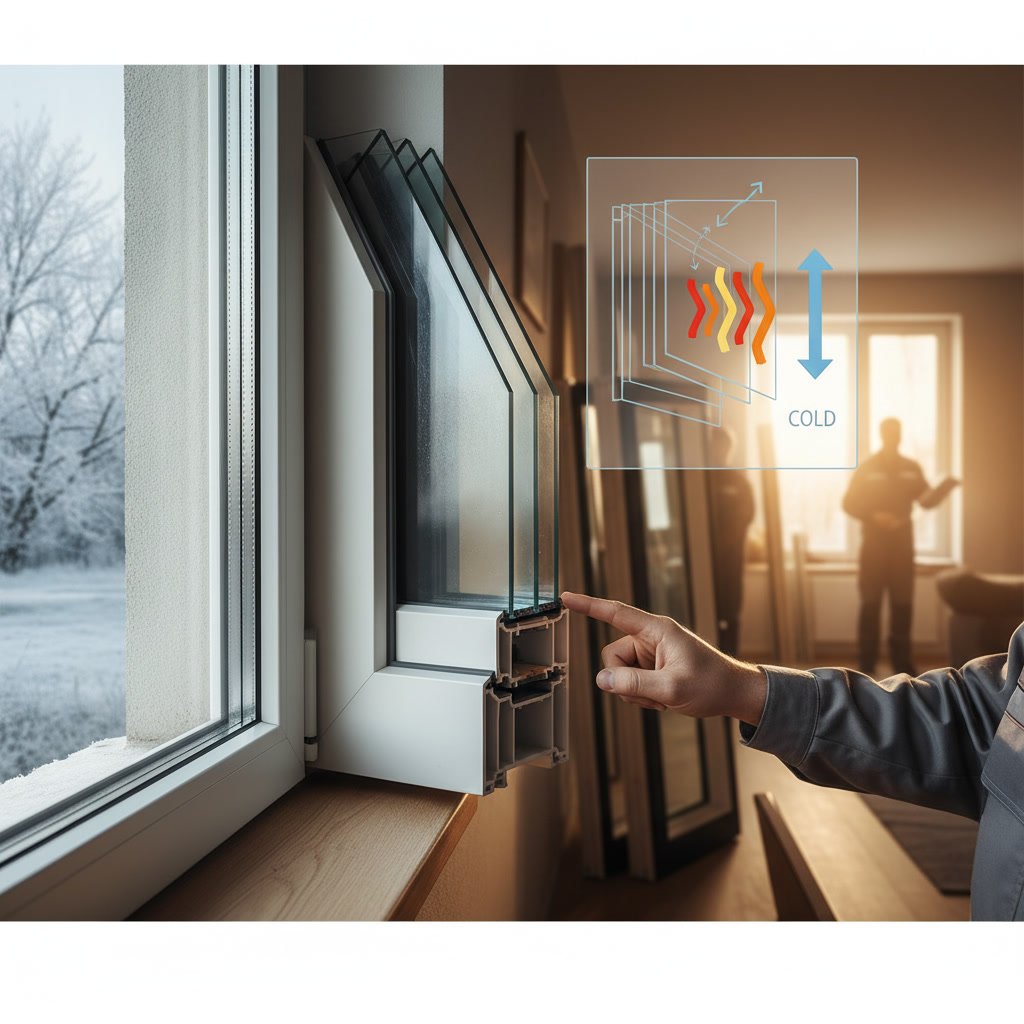
Replacement windows reduce heat transfer through advanced glazing, insulated frames, and proper installation. Modern designs create a thermal barrier that keeps conditioned air inside while blocking outdoor temperatures, cutting heating and cooling costs by 15-25% annually. Understanding how replacement windows work helps you make informed decisions about upgrading your home’s energy performance.
The technology behind energy-efficient windows has evolved dramatically over the past two decades. Where single-pane glass once dominated residential construction, today’s replacement options incorporate multiple panes, specialized coatings, and engineered frame materials that dramatically reduce thermal conductivity.
Why Older Windows Fail to Retain Energy
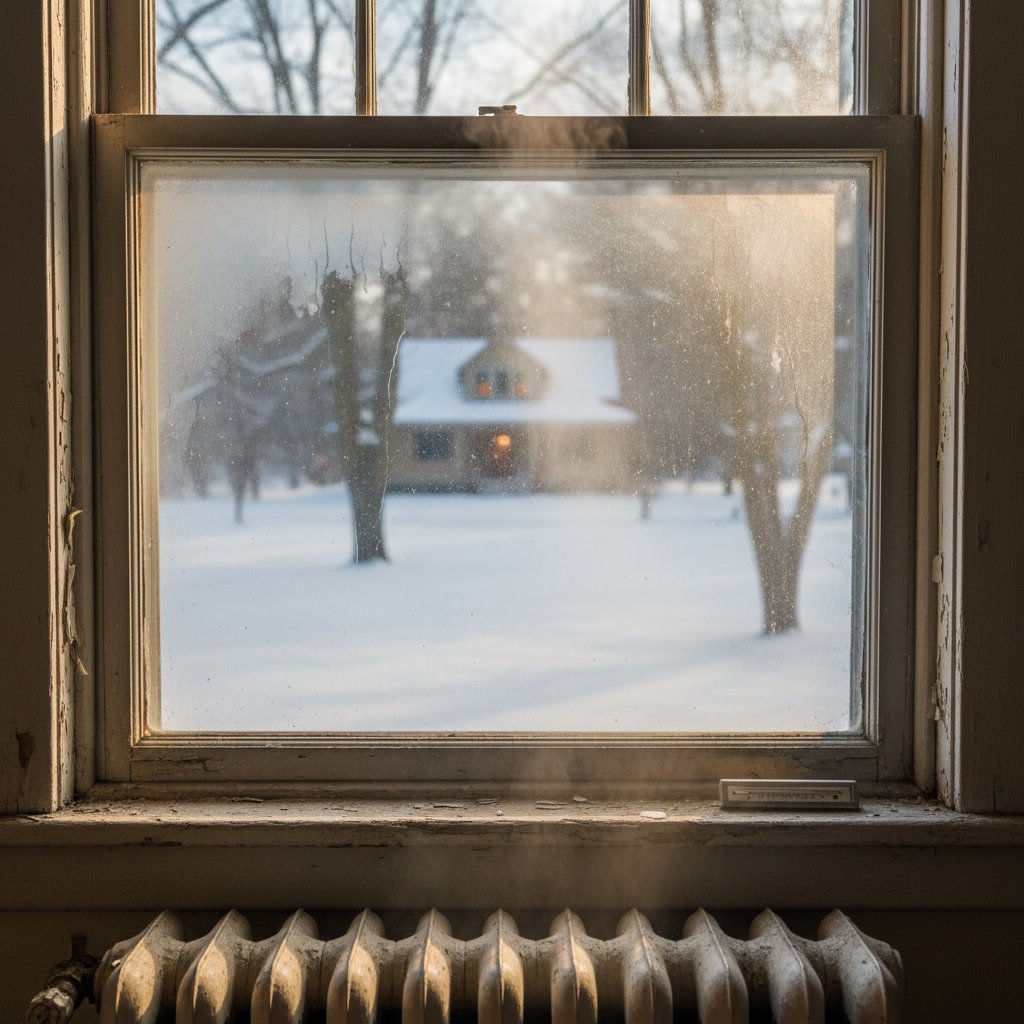
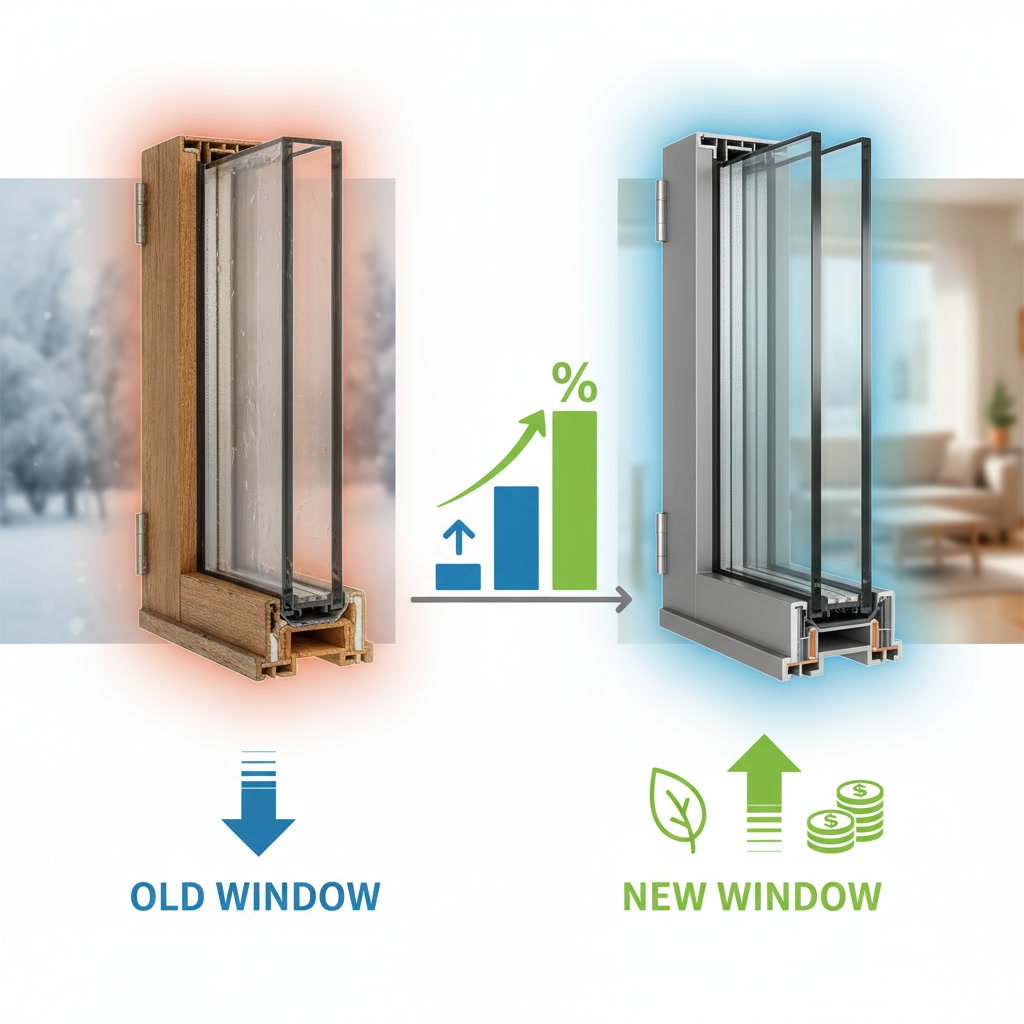
Single-pane windows installed before 1990 act as thermal highways, allowing heat to escape during winter and enter during summer. Even dual-pane windows from the early 2000s lack modern low-emissivity coatings and inert gas fills that block radiant heat transfer.
Deteriorated weatherstripping creates gaps where air infiltration occurs. As frame materials age, they expand and contract, breaking seals and creating pathways for drafts. Wood frames warp, vinyl becomes brittle, and metal conducts temperature directly through the frame itself.
The U.S. Department of Energy estimates that heat gain and loss through windows accounts for 25-30% of residential heating and cooling energy use. In Rhode Island’s climate, where winter temperatures regularly drop below freezing and summer humidity soars, inefficient windows force your HVAC system to work harder and run longer.
The Science Behind Low-E Glass Technology
Low-emissivity coatings are microscopically thin metallic layers applied to glass surfaces. These invisible coatings reflect infrared light while allowing visible light to pass through. During winter, low-E coatings reflect heat back into your home. During summer, they reflect solar heat away from your living space.
Different low-E formulations target specific climate zones. Passive low-E coatings maximize solar heat gain for cold climates, while solar control low-E coatings minimize heat gain in warmer regions. Rhode Island homeowners typically benefit from a balanced approach that addresses both heating and cooling seasons.
The coating placement matters significantly. Surface two (the interior side of the outer pane in a double-pane unit) typically receives the low-E coating for optimal performance in mixed climates. Some manufacturers apply coatings to multiple surfaces for enhanced performance.
How Gas Fills Between Panes Block Heat Transfer
The space between glass panes in modern replacement windows contains argon or krypton gas rather than regular air. These inert gases are denser than air and significantly reduce convective heat transfer between panes.
Argon fills are standard in most quality replacement windows, reducing U-factor by approximately 15% compared to air-filled units. Krypton, while more expensive, performs even better in narrower gaps (typically 3/8 inch or less) and is often used in triple-pane configurations.
Gas fills work synergistically with low-E coatings. While the coating blocks radiant heat transfer, the gas fill reduces conductive and convective heat movement. This dual approach creates a formidable thermal barrier that keeps indoor temperatures stable regardless of outdoor conditions.
Frame Materials That Prevent Thermal Bridging
The frame accounts for 10-30% of a window’s total surface area, making frame material selection critical for energy performance. Aluminum frames conduct heat rapidly, while vinyl, fiberglass, and composite materials provide superior insulation.
Multi-chambered vinyl frames create air pockets that interrupt thermal conductivity. Quality vinyl extrusions feature three to six chambers within the frame profile, each acting as a thermal break. Fiberglass frames offer even lower conductivity and exceptional structural stability across temperature extremes.
Composite frames blend materials to optimize both thermal performance and durability. Some manufacturers incorporate foam insulation within frame cavities, further reducing heat transfer. The frame’s thermal resistance must match or exceed the glass performance to prevent the frame from becoming a thermal weak point.
Proper Installation Methods in Johnston and Beyond
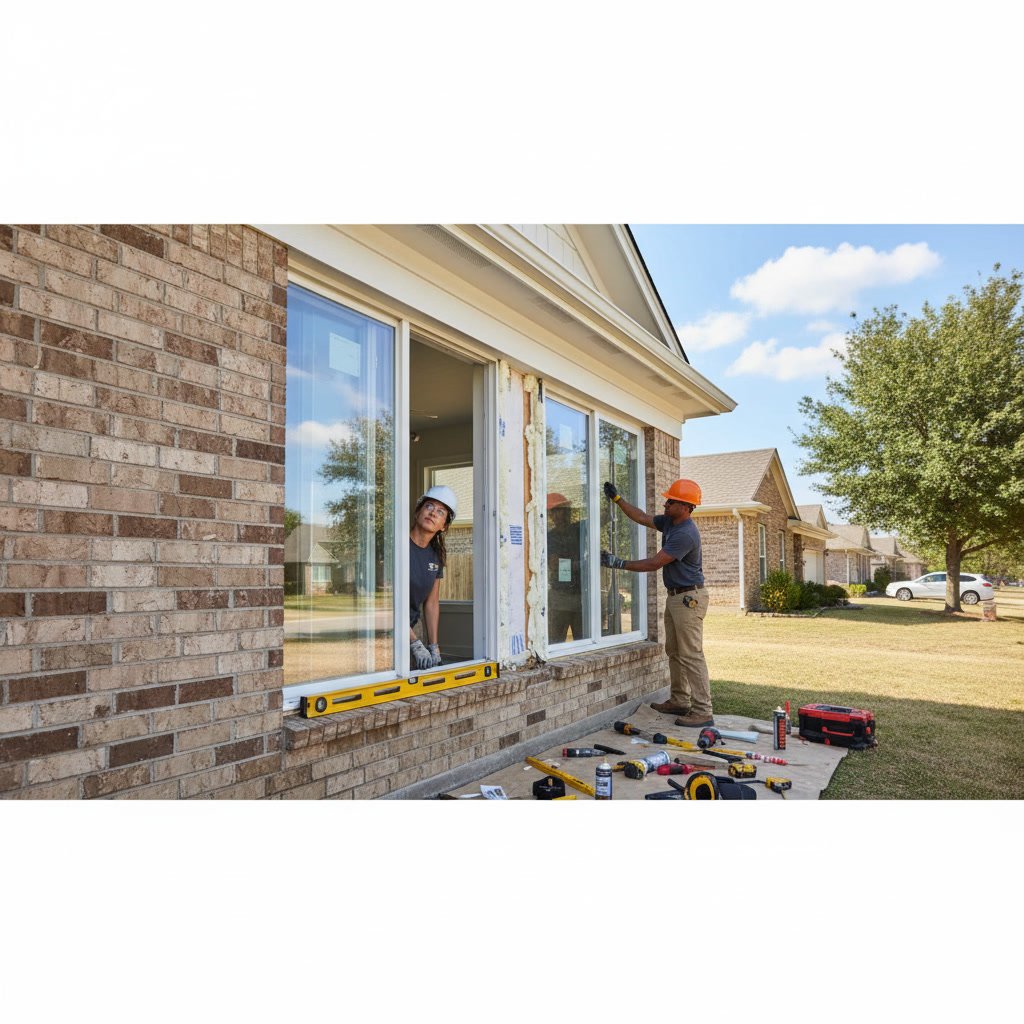
Even the most advanced window technology fails if installation creates gaps, compression, or improper sealing. Professional installation begins with accurate measurement, ensuring the replacement unit fits the rough opening with appropriate clearances for shimming and insulation.
Factory-trained installers level and square each unit before securing it, preventing stress that can break seals or create gaps. They apply low-expansion foam insulation in the cavity between the window frame and rough opening, filling voids without bowing the frame.
Exterior caulking creates a weathertight seal while allowing the interior side to breathe, preventing moisture accumulation that leads to mold and frame deterioration. Interior trim installation covers gaps and provides a finished appearance while supporting the window’s structural integrity. These installation details directly impact long-term energy performance and window longevity.
Measuring Energy Performance Through U-Factor and SHGC
U-factor measures how well a window prevents heat from escaping. Lower numbers indicate better insulation, with values typically ranging from 0.20 to 1.20. For Rhode Island’s climate, the Department of Energy recommends U-factors of 0.30 or lower for optimal heating season performance.
Solar Heat Gain Coefficient (SHGC) measures how much solar radiation passes through the window. Values range from 0 to 1, with lower numbers blocking more heat. A balanced approach for mixed climates typically targets SHGC values between 0.25 and 0.40.
The ENERGY STAR program certifies windows that meet regional performance criteria. In the Northern climate zone that includes Rhode Island, certified windows must achieve U-factors of 0.27 or less and SHGC ratings between 0.40 and 0.55. These specifications ensure windows perform well across both heating and cooling seasons.
Triple-Pane versus Double-Pane Performance Analysis
Triple-pane windows add a third pane of glass and second insulating space, reducing U-factors to 0.15-0.20. This superior insulation nearly eliminates condensation on interior glass surfaces and provides exceptional noise reduction.
The energy savings from triple-pane windows depend on your current window condition and local energy costs. Upgrading from single-pane to double-pane typically delivers greater savings per dollar invested than upgrading from double-pane to triple-pane. However, homes with significant window area or extreme exposure may justify the additional investment.
Weight considerations affect installation and hardware requirements. Triple-pane units weigh 40-50% more than comparable double-pane windows, requiring robust hinges, balances, and support. Frame strength becomes critical to prevent sagging and seal failure over time.
Expected Energy Savings by Window Type
Replacing single-pane windows with ENERGY STAR certified double-pane units typically reduces heating and cooling costs by $125-$465 annually, according to ENERGY STAR estimates for the Northeast region. Actual savings vary based on home size, window area, HVAC efficiency, and usage patterns.
Homes with extensive south-facing glass see greater benefits from solar control coatings that reduce summer cooling loads. North-facing windows benefit most from low U-factors that minimize winter heat loss. Window orientation should influence specification decisions for maximum return on investment.
The payback period for replacement windows typically ranges from 8-15 years when considering energy savings alone. However, total value includes improved comfort, noise reduction, easier operation, enhanced curb appeal, and increased home value. These factors combined often justify replacement even when energy savings alone would suggest a longer payback.
Condensation Control and Indoor Comfort
Warm interior air meeting cold glass surfaces creates condensation that damages sills, promotes mold growth, and indicates significant heat loss. Replacement windows with lower interior glass temperatures eliminate or drastically reduce condensation problems.
Surface temperature depends on both U-factor and indoor/outdoor temperature differential. When outdoor temperatures drop to 0°F with 70°F indoor temperature and 40% relative humidity, windows with U-factors above 0.35 typically experience condensation. Windows with U-factors of 0.25 or lower remain above the dew point, staying dry.
Reduced condensation means healthier indoor air quality and lower maintenance. You eliminate the need to wipe down windows daily or deal with ice buildup on interior glass during cold snaps. Frame materials that resist moisture damage provide added protection against long-term deterioration.
Regional Climate Considerations for Rhode Island Homeowners
Rhode Island experiences cold winters with heating degree days around 6,000 and humid summers requiring significant air conditioning. This mixed climate demands windows that perform well in both seasons rather than optimizing for one extreme.
Coastal areas face additional challenges from salt air, wind-driven rain, and intense sun exposure. Window selection should account for these factors through durable finishes, robust weatherstripping, and appropriate SHGC ratings that balance solar heat gain against cooling requirements.
Local energy costs influence the economic case for high-performance windows. Rhode Island electricity rates average 23-26 cents per kilowatt-hour, among the highest in the nation. Higher energy costs shorten payback periods and increase the lifetime value of efficiency investments.
Making Replacement Windows Work for Your Home
Energy-efficient windows deliver measurable savings when properly matched to your home’s needs and professionally installed. The combination of low-E coatings, gas fills, insulated frames, and quality installation creates a thermal envelope that keeps your home comfortable while reducing HVAC workload.
The technology continues advancing, with new coating formulations, frame designs, and manufacturing techniques improving performance each year. Selecting windows certified for your climate zone ensures you receive products engineered for local conditions rather than generic specifications.
Your home deserves windows that perform reliably for decades while reducing energy waste and improving daily comfort. Eco View Windows and Doors of Rhode Island specializes in matching homeowners with energy-efficient replacement windows tailored to Rhode Island’s climate. Our factory-trained installers ensure every window performs as designed from day one. Ready to lower your energy bills while enhancing your home’s comfort and appearance? Call +14014076100 to schedule your free consultation and learn which window options deliver the best value for your specific situation.